 Pradnya Ganorkar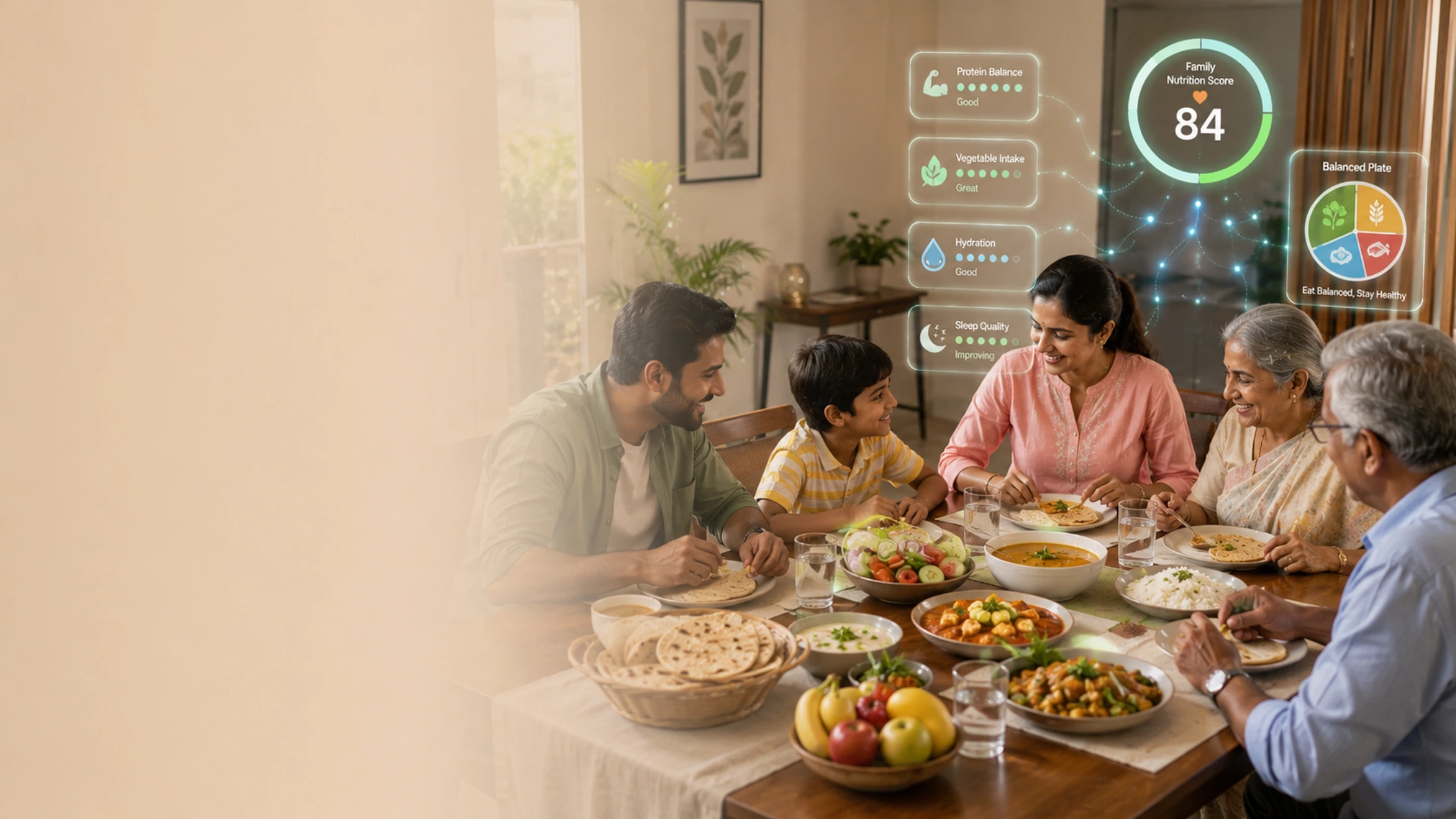
Many Indian families want to eat healthier.
Parents try to reduce sugar.
Grandparents encourage traditional foods.
Children ask for packaged snacks.
Working professionals struggle with time.
Yet despite good intentions, many households remain confused about what truly constitutes healthy Indian family meals.
Some believe healthy eating means expensive superfoods.
Others assume they must eliminate rice, roti, or traditional dishes.
Many follow social media trends that recommend foods disconnected from Indian lifestyles and family routines.
The reality is much simpler.
Most families do not need a complicated diet.
They need awareness, consistency, and practical meal structures that fit everyday life.
This is why family nutrition planning India has become increasingly important. As lifestyle diseases rise and schedules become busier, building sustainable food habits at home matters more than following short-term diet plans.
The goal is not perfection.
The goal is creating meals that support energy, health, and long-term wellbeing for every family member.
Why Healthy Food Is Often Misunderstood
One of the biggest reasons families struggle with nutrition is misunderstanding what healthy food actually means.
Many people associate healthy eating with:
- Imported foods
- Expensive ingredients
- Restrictive diets
- Complex recipes
- Low-calorie meals
In reality, many traditional Indian meals already contain the foundations of good nutrition.
Dal.
Vegetables.
Curd.
Roti.
Millets.
Pulses.
Seasonal fruits.
These foods have supported generations long before modern diet trends appeared.
Myth vs Reality
| Myth | Reality |
| Healthy food is expensive | Many nutritious Indian foods are affordable |
| Rice causes weight gain | Overall eating habits matter more than one food |
| Healthy meals must be low carb | Balanced meals are more sustainable |
| Healthy eating requires supplements | Most nutrients can come from food |
| Traditional meals are unhealthy | Many traditional meals are naturally nutrient-rich |
This misunderstanding often contributes to why diets fail long term.
When healthy eating feels difficult, people abandon it.
When healthy eating feels practical, people sustain it.
Components of a Balanced Indian Meal
The foundation of healthy Indian family meals is balance.
Not elimination.
Not restriction.
Not perfection.
A balanced meal generally contains four key components.
1. Protein
Protein helps support:
- Muscle maintenance
- Satiety
- Recovery
- Growth
- Healthy aging
Many families underestimate protein intake.
Common sources include:
- Dal
- Chana
- Rajma
- Paneer
- Curd
- Soy products
- Eggs (for non-vegetarians)
Understanding protein in average indian meal helps families identify nutritional gaps.
Many meals contain carbohydrates and vegetables but lack sufficient protein.
2. Complex Carbohydrates
Carbohydrates provide energy.
Examples include:
- Roti
- Rice
- Bajra
- Jowar
- Oats
- Poha
- Idli
The popular roti rice weight gain myth often distracts people from the bigger issue, which is overall portion balance and activity levels.
3. Vegetables
Vegetables provide:
- Fiber
- Vitamins
- Minerals
- Antioxidants
A simple goal is filling at least one-third of the plate with vegetables.
4. Healthy Fats
Healthy fats support hormone function and nutrient absorption.
Examples:
- Groundnuts
- Seeds
- Coconut
- Limited quantities of oils
- Nuts
A Practical Balanced Plate
A healthy family meal may look like:
- 2 rotis
- 1 bowl dal
- 1 vegetable sabzi
- Salad
- Curd
Simple.
Affordable.
Sustainable.
Common Meal Mistakes
Most nutrition problems do not come from major dietary mistakes.
They come from small habits repeated daily.
Too Many Refined Snacks
Many households consume significant amounts of:
- Namkeen
- Biscuits
- Packaged snacks
- Sweetened beverages
For example, many people underestimate calories in namkeen.
A small serving often appears harmless.
However, 100 gm namkeen calories can easily exceed 500 calories depending on the product.
Even 1 katori namkeen calories may contribute substantial energy without creating much fullness.
This is why awareness matters.
Low Protein Intake
Many families assume dal automatically guarantees adequate protein.
However, actual intake may still be lower than recommended.
This is especially important for protein for indian vegetarians, who often depend on a limited range of protein sources.
Meal Skipping
Busy work schedules often result in:
- Missed breakfasts
- Delayed lunches
- Late dinners
These patterns can contribute to overeating later.
Lack of Portion Awareness
Healthy foods can still become problematic when portions consistently exceed needs.
Portion awareness is often more valuable than strict calorie counting.
Breakfast, Lunch and Dinner Examples
Families frequently ask:
“What does a healthy day of eating actually look like?”
The answer does not require fancy ingredients.
Breakfast Options
| Meal | Benefits |
| Vegetable poha + curd | Fiber + protein |
| Moong chilla + chutney | Higher protein |
| Idli + sambar | Balanced and light |
| Oats upma | Filling and practical |
| Paneer sandwich | Good protein source |
These meals support healthy Indian eating habits while fitting into busy lifestyles in india.
Lunch Options
- Roti + dal + sabzi + salad
- Rajma rice + cucumber salad
- Chole + roti + curd
- Vegetable khichdi + raita
These combinations support both Indian food and health goals and family nutrition needs.
Dinner Options
- Dal + roti + vegetables
- Paneer bhurji + roti
- Mixed vegetable curry + millet roti
- Moong khichdi + curd
The objective is consistency rather than constant variety.
Snack Ideas
Instead of relying heavily on namkeen:
- Roasted chana
- Fruit
- Sprouts
- Makhana
- Curd
- Peanuts
These options often provide more nutrition per calorie.
Portion Awareness
Portion control is not about eating less.
It is about eating appropriate amounts.
A Practical Family Plate Method
For most adults:
- Half plate vegetables and salad
- Quarter plate protein
- Quarter plate carbohydrates
This structure naturally improves meal quality.
Children Need Different Portions
Children should not automatically receive adult-sized servings.
Their needs vary according to:
- Age
- Activity
- Growth stage
Seniors Need More Protein Than Many People Realize
Older adults often consume insufficient protein.
Including:
- Dal
- Curd
- Paneer
- Sprouts
Can support healthier aging.
This approach aligns with broader family preventive health India goals.
Building Sustainable Family Meals
The best nutrition strategy is the one your family can maintain.
This is where many households struggle.
They focus on perfect meals instead of repeatable habits.
Focus on Systems
Successful families create systems.
Examples:
- Weekly meal planning
- Fixed grocery schedules
- Regular meal times
- Visible healthy snacks
These habits support family meal planning India and long-term consistency.
Reduce Decision Fatigue
When meals are planned in advance:
- Stress decreases
- Food waste reduces
- Nutrition improves
This also helps support healthy eating for parents, who often prioritize everyone else’s health before their own.
Track Awareness, Not Perfection
One reason people underestimate food intake is lack of visibility.
Many individuals only discover their eating patterns after using a meal tracker app, nutrition app india solution, or best food tracking app.
Modern platforms like Nutrimate simplify this process through AI-powered, Indian-first tracking designed around real eating habits rather than rigid calorie counting.
Instead of complex logging systems, users can build awareness through simple meal visibility, helping families understand what they actually eat.
This aligns with food tracking without calorie counting and offers an easy way to track meals that fits Indian lifestyles.
Nutrimate also includes India’s #1 whatsapp meal logging feature and Unique Caregiver feature, helping families, caregivers, and parents maintain greater visibility into daily nutrition habits.
Healthy Family Nutrition Is About Consistency
Families often search for:
- How to stay healthy without dieting
- How to stay consistent with health
- Indian diet without dieting
The answer is usually not another diet plan.
It is building repeatable routines around:
- Meal timing
- Balanced plates
- Protein awareness
- Smart snacking
- Family participation
When everyone participates, healthy eating becomes easier.
A Simple Weekly Family Framework
- Plan meals every Sunday.
- Include protein in every meal.
- Keep fruits visible.
- Limit highly processed snacks.
- Prepare healthy snack options in advance.
- Encourage family meals when possible.
- Review habits weekly instead of daily.
These small changes often create more impact than extreme diets.
Healthy eating does not require perfection.
It requires consistency.
And consistency becomes much easier when meals fit real life, real schedules, and real Indian households.
Reference
- FSSAI Eat Right India:
https://eatrightindia.gov.in
FAQ
A healthy Indian meal typically includes a balance of protein, complex carbohydrates, vegetables, healthy fats, and fiber. Examples include roti with dal and sabzi, rajma rice with salad, or khichdi with curd and vegetables.
Families can eat balanced meals by planning meals in advance, including protein at every meal, increasing vegetable intake, limiting processed snacks, practicing portion awareness, and building sustainable food habits that fit everyday life.