 Pradnya Ganorkar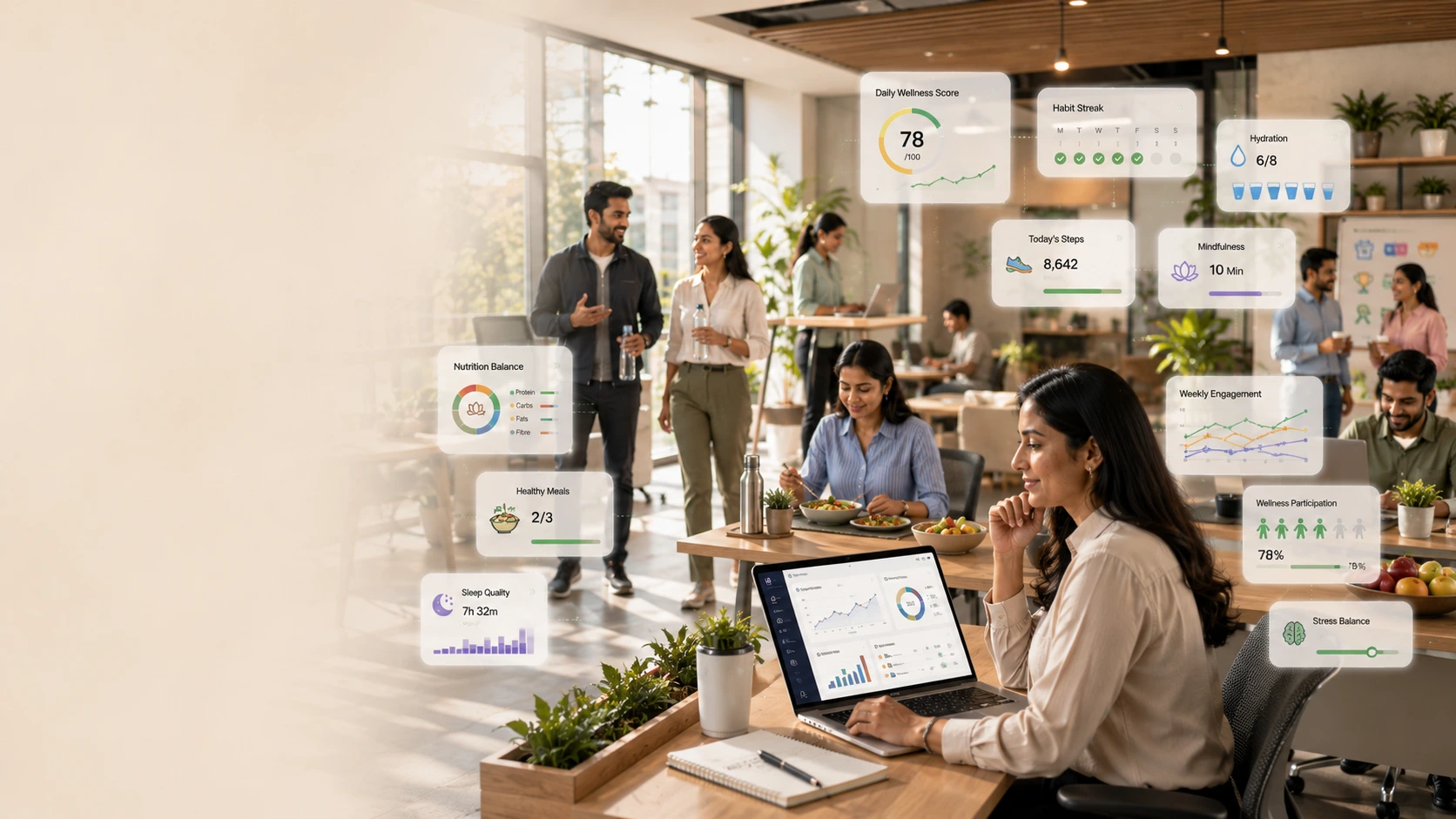
Many organisations introduce wellness programmes with attractive rewards such as gift vouchers, cash incentives, fitness challenges, or insurance benefits. Participation often starts strong, but once the rewards disappear, engagement drops just as quickly.
This is one of the biggest challenges facing HR teams investing in workplace wellness engagement tools and employee wellbeing programs. Sustainable participation is rarely built through incentives alone. Instead, it comes from creating simple habits, meaningful experiences, and a workplace culture where healthy behaviours feel natural rather than forced.
As organisations across India continue investing in corporate wellness software, the focus is shifting from short-term participation numbers to long-term corporate health engagement that supports healthier employees and stronger business outcomes.
Why Incentive-Based Programs Often Fail
Rewards can encourage employees to participate initially, but they rarely create lasting behaviour change.
An employee may join a walking challenge to win a prize.
However, once the competition ends, the new habit often disappears.
The same pattern can occur with nutrition challenges, health screenings, or fitness campaigns.
Motivation Changes Over Time
External rewards create temporary motivation.
Internal motivation creates lasting habits.
Employees are more likely to continue healthy behaviours when they experience real benefits such as:
- More energy throughout the day
- Better focus during work
- Improved sleep
- Reduced stress
- Better physical wellbeing
These outcomes are far more sustainable than short-term rewards.
This is why successful employee wellness program India initiatives focus on helping employees experience personal value rather than simply earning incentives.
Participation Should Feel Easy
Many wellness initiatives unintentionally become another task on an employee’s to-do list.
Long forms, multiple apps, complicated registrations, or manual reporting reduce participation.
The best digital wellness platform India solutions simplify the experience.
Employees should be able to:
- Track habits quickly.
- Join wellness activities easily.
- View progress clearly.
- Stay engaged without additional effort.
Reducing friction often improves participation more effectively than increasing rewards.
The Psychology of Participation
People rarely build healthy habits because someone tells them to.
They build habits when the behaviour feels meaningful, achievable, and easy to repeat.
Understanding this principle helps organisations create stronger corporate health management strategies.
People Want Progress
Employees enjoy seeing improvement.
Simple indicators such as:
- Daily activity streaks
- Weekly habit completion
- Personal wellness milestones
- Progress dashboards
- Wellness challenges
help maintain engagement because they create a sense of achievement.
This is where workplace health analytics and employee health tracking solutions provide value.
Instead of simply recording participation, they help employees visualise their own progress.
Community Encourages Consistency
Healthy habits become easier when colleagues participate together.
Examples include:
- Department step challenges
- Healthy recipe sharing
- Walking groups
- Hydration reminders
- Team wellness goals
These activities improve corporate health engagement while strengthening workplace culture.
People are naturally more likely to continue positive behaviours when they feel part of a supportive community.
Building Intrinsic Motivation
Lasting wellness programmes help employees build habits because they want to, not because they are rewarded.
This shift from external motivation to internal motivation creates sustainable behaviour change.
Focus on Small Wins
Employees do not need dramatic transformations.
They need achievable goals.
Examples include:
- Walking for 20 minutes daily.
- Drinking more water.
- Sleeping consistently.
- Choosing balanced lunches.
- Taking movement breaks during work.
Small victories build confidence and encourage long-term participation.
Personal Relevance Matters
Wellness programmes should recognise that employees have different priorities.
Some want to improve fitness.
Others want better nutrition, weight management, or stress reduction.
Providing flexible options increases participation because employees can choose goals that match their individual needs.
This personalised approach strengthens preventive healthcare India initiatives and improves long-term wellness ROI.
Reducing Friction in Wellness Programs
One of the fastest ways to improve participation is to make wellness easy.
Employees already manage demanding workloads, meetings, and personal responsibilities. If a wellness programme requires multiple logins, lengthy forms, or manual reporting, participation naturally declines.
Effective workplace wellness engagement tools remove unnecessary effort and encourage small daily actions instead.
Simple improvements include:
- Mobile-friendly wellness platforms
- Quick habit check-ins
- Easy nutrition tracking
- Progress dashboards
- Personalised reminders
- Team challenges
The easier a programme is to use, the more likely employees are to participate consistently.
For organisations looking to improve employee health tracking solutions, simplicity often delivers better results than adding more features.
Examples of Successful Engagement
Successful wellness programmes focus on creating everyday habits rather than occasional campaigns.
Examples include:
- Weekly walking challenges between departments.
- Healthy breakfast initiatives.
- Hydration reminders during work hours.
- Short mindfulness breaks before meetings.
- Educational sessions on how to read nutrition labels in india.
- Monthly wellbeing check-ins using an employee health dashboard.
These activities encourage participation because they fit naturally into the workday instead of disrupting it.
Technology also plays an important supporting role.
For example, Nutrimate helps organisations encourage healthier nutrition habits through AI-powered, Indian-first health tracking. Its India’s #1 whatsapp meal logging feature and Unique Caregiver feature simplify everyday meal awareness while supporting long-term behaviour change instead of short-term dieting.
For organisations working with fitness partners, gyms, or corporate wellness providers, platforms like FitVia extend engagement beyond the workplace. With features such as trainer dashboards, a database of more than one lakh Indian foods, a 600+ workout library, member challenges, progress tracking, and fitness engagement platform capabilities, FitVia helps gyms, trainers, and dietitians deliver structured coaching experiences while improving long-term member engagement.
Engagement Checklist
Before launching or reviewing a wellness programme, organisations should ask:
- Is participation simple?
- Are employees receiving value beyond rewards?
- Can progress be measured easily?
- Are healthy habits encouraged every day?
- Is wellness personalised rather than generic?
- Are insights available through workplace health analytics?
- Can HR monitor engagement using a corporate health dashboard or corporate health report?
- Does the programme support long-term preventive health monitoring tools instead of one-time campaigns?
A successful programme should help employees build healthier habits while giving HR teams meaningful visibility into participation and outcomes.
The objective is not simply increasing attendance at wellness events. It is creating an environment where healthy behaviours become part of everyday work.
FAQs
Companies improve participation by making wellness simple, relevant, and easy to integrate into everyday work.
Instead of relying only on rewards, successful organisations use workplace wellness engagement tools, personalised challenges, employee wellbeing programs, and regular progress tracking to encourage lasting behaviour change.
Reducing complexity, providing meaningful feedback, and creating a supportive workplace culture are often more effective than offering financial incentives alone.
Incentives can increase participation during the early stages of a wellness programme, but they rarely sustain engagement on their own.
Long-term success comes from helping employees experience the personal benefits of healthier habits, supported by corporate wellness software, clear progress visibility, and practical routines that fit naturally into daily life.
When employees see how healthier habits positively affect their own lives, participation becomes self-sustaining rather than reward-dependent.
References
- World Health Organization (WHO). Healthy Workplaces: A Model for Action
https://www.who.int/publications/i/item/healthy-workplaces-a-model-for-action - Harvard Business Review. What’s the Hard Return on Employee Wellness Programs?
https://hbr.org/2010/12/whats-the-hard-return-on-employee-wellness-programs