 Pradnya Ganorkar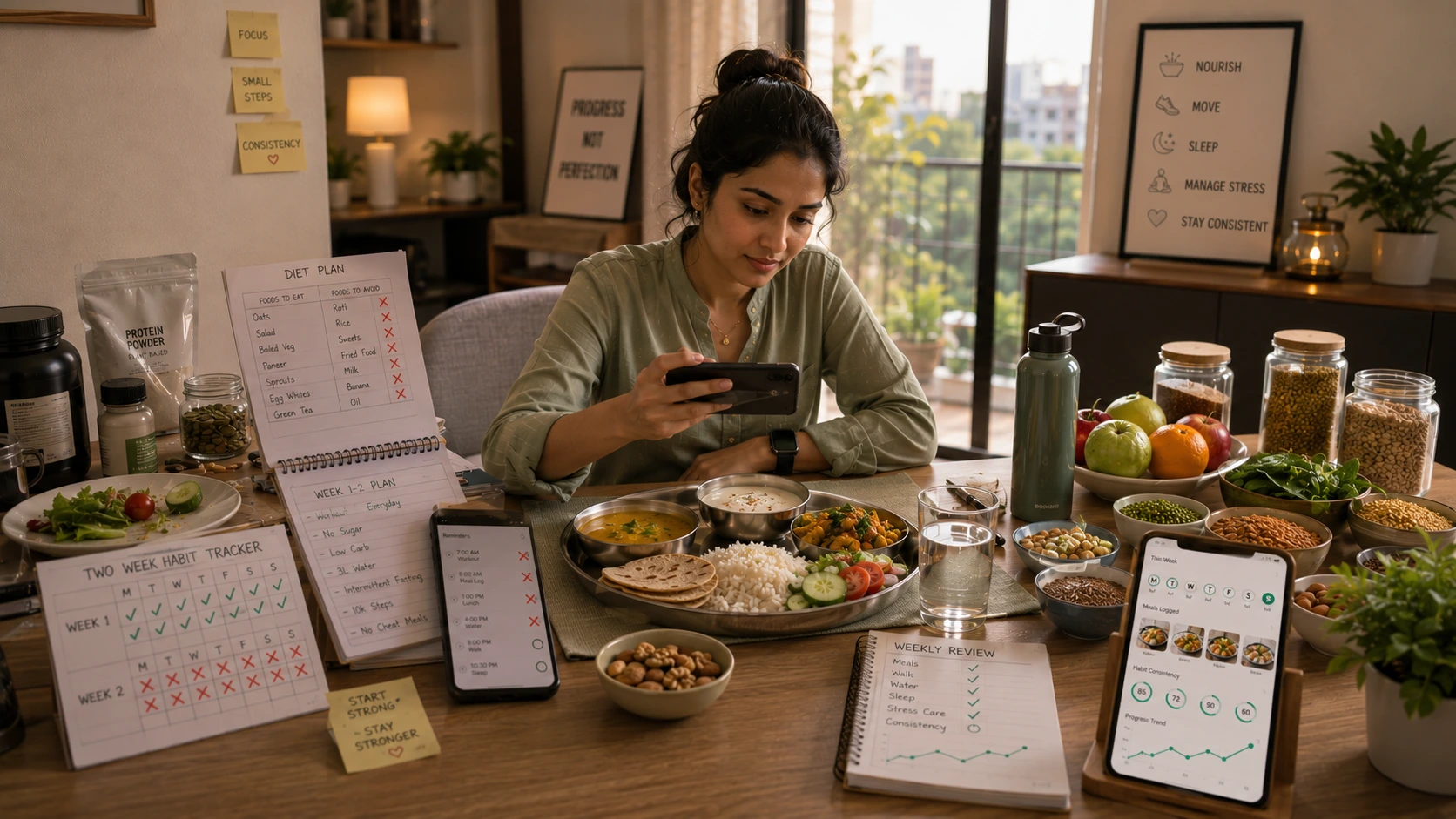
Many women try to improve their hormonal health by searching for one perfect diet, supplement, or “hormone-balancing” food.
In reality, nutrition for hormonal health is not about finding a miracle ingredient. It is about building consistent eating patterns that provide adequate protein, fats, fiber, vitamins, and minerals while supporting overall women’s health.
For Indian women balancing office schedules, college, household responsibilities, childcare, exercise, and family commitments, complicated food rules are rarely sustainable. A practical healthy diet for women should use familiar foods, fit everyday routines, and improve nutrition awareness without creating fear around eating.
Why Hormones Need the Right Nutrition
Hormones are chemical messengers involved in many functions, including metabolism, reproduction, menstrual cycles, appetite, mood, sleep, and energy regulation.
Nutrition is one part of the larger picture.
Sleep, physical activity, genetics, medical conditions, stress, age, and life stage can also influence hormonal health. This is why no individual food should be presented as a guaranteed solution for hormonal symptoms.
However, consistently inadequate nutrition can make it more difficult to meet the body’s needs.
For example, regularly skipping meals may make it harder for some women to maintain steady energy throughout demanding workdays. Highly restrictive diets can reduce dietary variety and make it more challenging to obtain important nutrients.
A better approach to hormonal wellness is to build sustainable meals around nutritional adequacy, variety, and consistency.
Quick answer: Good nutrition for hormonal health means eating a varied and balanced diet that provides adequate energy, protein, healthy fats, fiber, and essential micronutrients while considering individual health needs.
Nutrients That Support Women’s Health
Protein
Protein supports the maintenance and repair of body tissues and is an important part of a balanced diet.
Yet many Indian meals can become carbohydrate-heavy when dal, dairy, eggs, soy, meat, fish, or other protein sources are served in small quantities.
Practical protein for women sources can include dal, rajma, chana, paneer, curd, milk, soy products, eggs, fish, and lean meats based on individual preferences.
Vegetarian women can improve protein variety by combining different foods throughout the day rather than depending on one source.
For example, breakfast might include besan chilla with curd, lunch could contain dal with roti and sabzi, and an evening snack might include roasted chana.
Healthy Fats
Dietary fats are necessary for normal body functions, including the absorption of fat-soluble vitamins.
Useful sources include nuts, seeds, peanuts, and appropriate quantities of commonly used cooking oils.
The goal is not to add excessive fat to every meal.
Instead, a balanced Indian diet for women should include appropriate fat sources while limiting frequent reliance on deep-fried foods and highly processed snacks.
Fiber
Fiber supports digestive health and is commonly found in vegetables, fruits, pulses, legumes, and whole grains.
A practical way to increase fiber is to improve food variety.
Add vegetables to lunch and dinner. Include whole fruits instead of relying only on fruit juices. Use dal, chana, rajma, or other pulses regularly.
These habits can support healthy eating for women without requiring expensive imported foods.
Iron
Iron is especially important for women because iron requirements can be influenced by menstruation, pregnancy, and other individual factors.
Indian foods that provide iron include green leafy vegetables, pulses, legumes, sesame seeds, and certain animal foods.
Plant-based iron sources can be combined with vitamin C-rich foods such as amla, guava, oranges, tomatoes, or lemon to support absorption.
Women experiencing persistent fatigue or other concerning symptoms should seek medical advice rather than self-diagnosing or starting supplements without professional guidance.
Calcium
Calcium contributes to the maintenance of normal bones and other important physiological functions.
Milk, curd, paneer, ragi, certain green vegetables, and other foods can contribute to dietary calcium intake.
Food choices should consider dietary preferences, allergies, intolerances, and professional medical guidance where necessary.
Vitamin D
Vitamin D is important for bone health and other body functions.
Food sources are relatively limited, and individual vitamin D status can be influenced by factors including sun exposure, lifestyle, age, and health conditions.
Women concerned about deficiency should speak with a qualified healthcare professional about appropriate testing and supplementation.
Indian Foods That Naturally Support Hormonal Wellness
You do not need imported berries, expensive powders, or complicated detox plans to build nutritious meals.
Familiar Indian food can support a balanced eating pattern.
Dal provides plant protein, fiber, and several nutrients. Different dals can be rotated throughout the week for variety.
Paneer can provide protein and calcium and can be combined with vegetables, roti, or other foods as part of balanced meals.
Eggs provide protein and several nutrients for women who include them in their diet.
Millets such as ragi, jowar, and bajra can contribute variety to meals and provide fiber and micronutrients.
Green leafy vegetables such as palak, methi, bathua, and amaranth leaves can contribute important vitamins and minerals.
Curd provides protein, calcium, and fermented dairy cultures and can be included according to individual tolerance and preference.
Nuts and seeds such as peanuts, almonds, walnuts, sesame seeds, flaxseeds, and pumpkin seeds can add healthy fats, protein, and micronutrients.
The important principle is variety.
No individual food creates hormone balance.
Regularly eating a combination of vegetables, fruits, protein sources, whole grains, pulses, dairy or appropriate alternatives, nuts, and seeds is more useful than searching for one perfect food.
Eating Habits That May Affect Hormonal Health
Skipping Meals
Busy mornings, meetings, college schedules, and household responsibilities can make irregular eating common.
Frequently skipping meals may leave some women overly hungry later, making balanced food choices more difficult.
A realistic approach is to identify simple backup meals.
Curd with fruit, eggs with roti, vegetable poha with peanuts, besan chilla, or leftover dal and roti may be more practical than waiting for the perfect meal.
Ultra-Processed Foods
Packaged snacks and convenience foods can be useful occasionally, but regularly relying on products high in salt, added sugars, or saturated fats may reduce overall dietary quality.
The objective is not complete avoidance.
A sustainable healthy lifestyle for women should allow flexibility while keeping nutrient-dense foods at the centre of regular eating patterns.
Sugary Drinks
Sweetened beverages can add significant amounts of sugar without providing the same nutritional value as balanced meals.
Water, unsweetened beverages, chaas, or other suitable alternatives can help reduce frequent dependence on sugary drinks.
Irregular Meal Timings
There is no single meal schedule that works for every woman.
However, unpredictable eating patterns can make it difficult to plan nutritious meals and may lead to frequent snacking or overeating when hunger becomes intense.
A consistent routine that fits work, family, exercise, and sleep schedules can support better healthy habits for women.
Building a Balanced Plate Every Day
A practical plate framework makes healthy eating easier to understand.
Aim to build most main meals around four components:
1. Vegetables
Include one or more vegetable preparations.
Examples include bhindi, beans, lauki, cabbage, carrot, palak, cauliflower, or mixed vegetables.
2. Protein
Include dal, rajma, chana, paneer, curd, eggs, soy, fish, chicken, or another appropriate protein source.
3. Carbohydrates
Choose suitable portions of roti, rice, millets, dosa, idli, poha, or other familiar foods.
A balanced diet does not require automatically eliminating rice or roti.
4. Healthy fats and supporting foods
Include reasonable quantities of nuts, seeds, cooking oils, curd, or other foods based on the overall meal.
For example, a working professional’s lunch could include two rotis, palak dal, mixed vegetable sabzi, curd, and salad.
Dinner might include rice, rajma, vegetables, and curd.
Breakfast could include vegetable poha with peanuts and a protein source.
The objective is not perfect plates every day. It is improving the overall pattern.
Simple meal tracking for women can make these patterns easier to identify.
Nutrimate supports this awareness-based approach by helping users observe everyday Indian meals and routines through WhatsApp-first logging rather than depending entirely on complicated calorie counting.
Its positioning around India’s #1 whatsapp meal logging feature and Unique Caregiver feature also reflects the practical need for simple health awareness across individuals and families.
Technology should make meal tracking easier. It should not make eating more stressful.
Simple Nutrition Checklist for Women
☐ Include a meaningful protein source in regular meals.
☐ Eat vegetables and whole fruits consistently.
☐ Rotate dals, legumes, grains, vegetables, nuts, and seeds for dietary variety.
☐ Include appropriate sources of healthy fats.
☐ Pay attention to iron-rich foods, particularly if you have higher nutritional needs.
☐ Include calcium-containing foods according to your dietary preferences and health requirements.
☐ Avoid depending on highly restrictive diets.
☐ Keep practical backup meals available for busy days.
☐ Reduce frequent reliance on sugary drinks and ultra-processed snacks.
☐ Build meal timings around your real daily routine.
☐ Use nutrition awareness and simple meal tracking to identify recurring eating patterns.
☐ Seek qualified medical advice for persistent symptoms or concerns.
☐ Remember that women’s wellbeing depends on nutrition, sleep, activity, stress management, medical care, and other individual factors.
FAQs
Foods that contribute to a varied and balanced diet can support overall hormonal health. Useful options include pulses, vegetables, fruits, whole grains, dairy or suitable alternatives, eggs, fish, lean meats, nuts, and seeds depending on individual preferences and health needs. No individual food can guarantee hormonal balance.
Nutrition is one factor that can influence overall health and normal body functions. Adequate energy, protein, fats, fiber, vitamins, and minerals are important for health, but women’s hormones can also be affected by age, genetics, sleep, stress, medical conditions, physical activity, and life stage.
Dal, rajma, chana, paneer, curd, eggs, green leafy vegetables, fruits, millets, whole grains, nuts, and seeds can all contribute to women’s nutrition. The most effective approach is to eat a variety of familiar foods rather than relying on a single “superfood.”
Not everyone needs supplements. Supplement requirements depend on dietary intake, medical conditions, life stage, symptoms, and confirmed deficiencies. Women concerned about iron, vitamin D, calcium, or other nutrients should consult a qualified healthcare professional before starting supplementation.