 Pradnya Ganorkar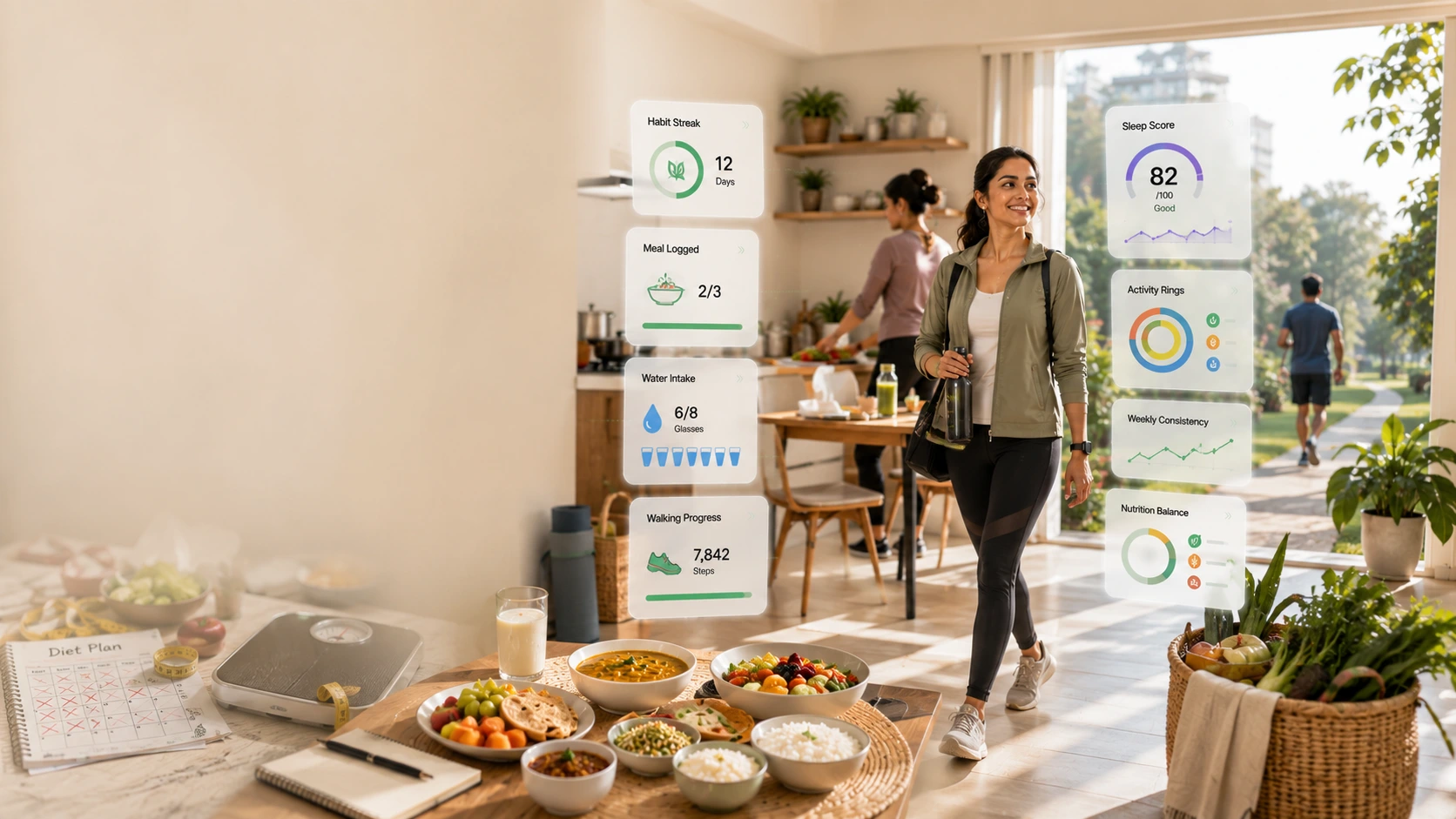
Every year, millions of people start a new diet hoping to lose weight, improve their health, or feel more confident. For a few weeks, motivation is high. Meal plans are followed, unhealthy foods are avoided, and exercise routines begin.
Yet, after a few months, many people return to their old habits.
This cycle explains why diets fail long term for so many individuals. Temporary restrictions rarely produce permanent results because they do not address everyday routines, behaviour, or environment.
A lasting lifestyle change focuses on building habits that fit naturally into everyday life. Instead of chasing quick results, it creates a healthier way of living that supports long-term wellbeing. This approach is especially valuable for people managing busy lifestyles in india, where work, family responsibilities, and commuting often make strict diets difficult to maintain.
Why Dieting and Lifestyle Change Are Different
Although both approaches aim to improve health, they are fundamentally different.
Dieting is usually temporary.
A lifestyle change is ongoing.
Dieting Focuses on Restriction
Many diets begin with strict rules.
Examples include:
- Eliminating favourite foods
- Counting every calorie
- Avoiding carbohydrates
- Following rigid meal timings
- Depending on short-term motivation
While these methods may produce rapid results initially, they often become difficult to maintain.
Eventually, people return to previous eating habits because the plan never fit their daily routine.
This is one reason why diets fail long term.
Lifestyle Change Focuses on Habits
A healthy lifestyle is built through small, repeatable actions.
Examples include:
- Eating balanced meals regularly.
- Walking every day.
- Sleeping consistently.
- Drinking enough water.
- Managing stress.
- Planning meals ahead.
These simple health habits become easier over time because they fit naturally into everyday life rather than feeling like punishment.
Instead of following an unrealistic plan, people gradually build sustainable health habits that continue working during holidays, work deadlines, travel, and family events.
The Problem With Short-Term Thinking
One of the biggest mistakes people make is treating health as a temporary project.
They often believe:
“I’ll eat healthy until I lose 10 kilograms.”
“I’ll exercise until my wedding.”
“I’ll stop tracking meals once I reach my goal.”
This mindset creates an end date for healthy behaviour.
Once the target is achieved, old routines often return.
Health Does Not Have a Finish Line
Maintaining health requires consistency rather than intensity.
Someone who follows balanced routines for years usually experiences better long-term outcomes than someone who follows multiple extreme diets.
Instead of searching for another quick fix or even the Best Weight Loss App, ask a different question:
“Can I continue this routine one year from now?”
If the answer is no, the plan is unlikely to produce lasting results.
Consistency Beats Perfection
Many people believe missing one workout or eating dessert means they have failed.
In reality, long-term success depends on returning to healthy routines after occasional setbacks.
A sustainable approach allows flexibility.
Birthday celebrations, festivals, travel, and family gatherings can all fit within an Indian diet without dieting.
Health is shaped by patterns over months and years, not by one meal or one weekend.
What Long-Term Success Looks Like
Long-term success is about creating routines that continue regardless of changing circumstances.
It is not measured only by body weight.
Instead, success includes:
- Better energy levels.
- Improved sleep.
- Consistent physical activity.
- Balanced healthy eating.
- Better stress management.
- Improved confidence.
- Sustainable weight management.
Build Around Everyday Life
Many people search for complicated nutrition plans while ignoring simple improvements.
Examples include:
- Adding more protein in average indian meal through dal, paneer, curd, eggs, or legumes.
- Including more protein for indian vegetarians in everyday meals.
- Preparing lunch before work.
- Walking after dinner.
- Drinking water regularly.
These habits require far less effort than constantly changing diets.
Indian Food Can Support Long-Term Health
Many people still ask:
- Is Indian food healthy?
- Does rice cause weight gain?
- Should I stop eating roti?
These questions often arise because of popular diet trends.
The truth is that a balanced Indian food pattern can support excellent health when portions, food quality, and consistency are prioritised.
The roti rice weight gain myth overlooks the importance of total eating patterns, physical activity, and lifestyle.
Rather than eliminating traditional foods, focus on creating healthy Indian eating habits that are enjoyable and realistic.
Real Examples From Indian Lifestyles
One reason a lifestyle change succeeds is that it adapts to real life instead of expecting real life to adapt to the plan.
Consider these common situations:
The Busy Professional
A marketing executive working long hours may not have time to cook every meal.
Instead of following a restrictive diet, they can:
- Prepare simple breakfasts in advance.
- Carry fruit or roasted chana as snacks.
- Choose balanced lunches.
- Walk during short work breaks.
These practical choices support a healthy lifestyle for busy Indians without adding unnecessary stress.
The Parent Managing Family Responsibilities
Parents often prioritise everyone else’s meals before their own.
Rather than preparing separate “diet food,” the entire family can benefit from balanced home-cooked meals that include vegetables, whole grains, protein, and healthy fats.
This approach supports family health while reducing the effort required to maintain healthy routines.
The Gym Member
Someone attending the gym regularly may focus only on workouts while overlooking nutrition and recovery.
Progress improves when exercise is combined with healthy eating, consistent sleep, hydration, and realistic planning.
Long-term success comes from combining these habits rather than searching for another short-term solution.
Building Change Gradually
Many people fail because they attempt to transform their entire routine in one day.
Trying to change eating habits, exercise, sleep, hydration, and stress management simultaneously often becomes overwhelming.
Instead, build one habit at a time.
For example:
Week 1
- Eat breakfast every day.
Week 2
- Add one serving of vegetables to lunch.
Week 3
- Walk for 20 minutes after dinner.
Week 4
- Improve bedtime consistency.
Each small improvement strengthens the next.
This gradual approach creates sustainable health habits for Indians and makes how to stay consistent with health much easier than relying on motivation alone.
Many people searching for how to stay healthy without dieting discover that consistent, manageable actions produce better results than extreme plans.
Long-Term Success Framework
A practical framework for lasting health includes five simple principles.
1. Focus on Habits Instead of Deadlines
Health should become part of everyday life rather than a temporary challenge.
2. Keep Nutrition Simple
A balanced Indian diet for busy professionals can include familiar foods such as roti, rice, dal, vegetables, curd, fruit, and quality protein.
Consistency matters more than perfection.
3. Build Awareness
Understanding your own eating patterns is more valuable than following strict rules.
Many people searching for the best food tracking app, meal tracker app, or an easy way to track meals simply want a practical way to stay accountable.
Instead of relying on complicated calorie counting, food tracking without calorie counting can help identify habits such as skipped meals, low protein intake, or irregular eating times.
This is where Nutrimate supports long-term behaviour change through AI-powered, Indian-first nutrition intelligence. Its India’s #1 whatsapp meal logging feature and Unique Caregiver feature make simple meal tracking for Indian food practical and easy to maintain. The platform encourages consistency by helping individuals and families understand everyday eating habits rather than striving for perfection.
4. Expect Imperfection
Missing one workout or enjoying festival food does not erase months of healthy behaviour.
Returning to your routine is far more important than achieving perfection.
5. Think in Years, Not Weeks
The goal is not simply sustainable weight loss.
The goal is maintaining better health for decades through realistic routines that support work, family, travel, and changing life circumstances.
FAQs
Yes. A lifestyle change generally produces better long-term results because it focuses on sustainable routines instead of temporary restrictions.
Building consistent health habits, maintaining balanced healthy eating, and staying physically active are more likely to support lasting health than following short-term diets.
Permanent habits are created by repeating small behaviours consistently until they become part of your daily routine.
Start with one realistic improvement, practise it regularly, and gradually build additional habits over time.
Keeping routines simple and adapting them to your lifestyle makes them far easier to maintain than relying on motivation alone.
References
- Indian Council of Medical Research (ICMR). Dietary Guidelines for Indians, 2024
- World Health Organization (WHO). Healthy Diet Fact Sheet
https://www.who.int/news-room/fact-sheets/detail/healthy-diet