 Pradnya Ganorkar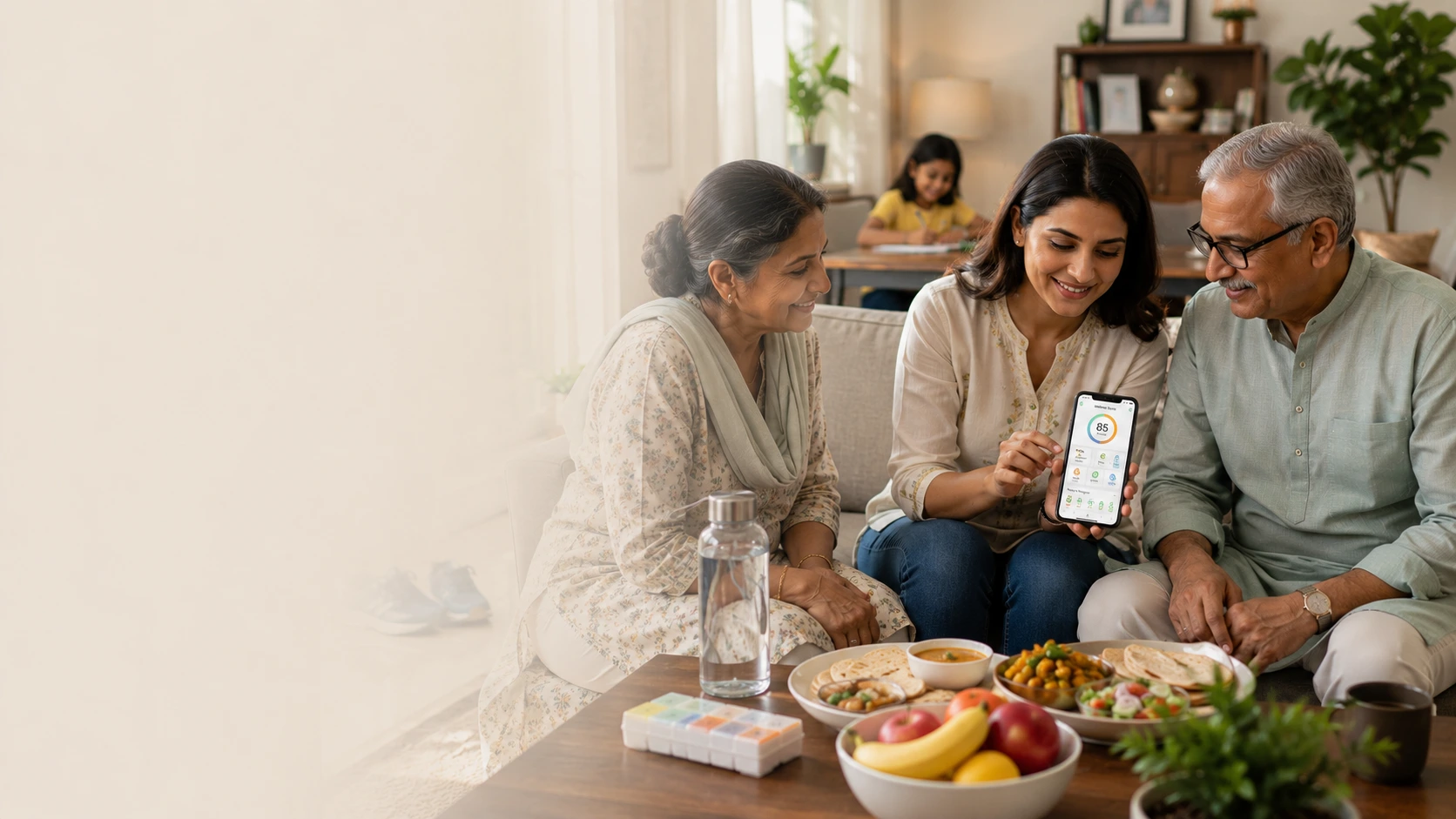
For many Indians, one of the biggest emotional challenges of adulthood is watching parents grow older.
You notice missed medications, reduced physical activity, irregular meals, poor sleep, or unexplained fatigue. At the same time, you may be managing your own career, children, finances, and household responsibilities.
This creates a difficult balancing act.
You want to help, but you do not want to constantly interfere.
You want awareness, but not surveillance.
You want involvement, but not conflict.
This is why parents health tracking is becoming increasingly important for modern Indian families.
The goal is not to control parents.
The goal is to create visibility, encourage better habits, and support healthier aging while preserving independence and dignity.
For families navigating busy lifestyles in india, the most effective approach is often simple awareness rather than constant monitoring.
Why Parents Resist Health Advice
One of the most common frustrations adult children experience is this:
The more advice they give, the less likely parents are to follow it.
This can feel confusing.
After all, the advice is usually well-intentioned.
The Independence Factor
Many parents spent decades caring for their children.
Now the roles appear reversed.
Suggestions such as:
- Walk more
- Eat less sugar
- Drink more water
- Track meals
- Visit the doctor
may unintentionally feel like instructions.
Even when advice is medically sound, parents may perceive it as a challenge to their independence.
Health Advice Often Feels Like Criticism
Parents frequently hear:
- “You should stop eating this.”
- “You are not exercising enough.”
- “You never listen.”
Over time, health conversations become emotionally charged.
Instead of discussing wellness, families end up arguing.
This is why sustainable support requires empathy rather than authority.
The Indian Family Dynamic
In many households, food is deeply connected to culture, tradition, and identity.
Questioning someone’s eating habits may feel like questioning their lifestyle.
Whether it is sweets during festivals or evening snacks with tea, discussions about Indian food and health often involve emotions as much as nutrition.
Understanding this dynamic is essential before implementing any form of health tracking for parents.
The Difference Between Care and Control
The healthiest caregiver relationships are built on support rather than supervision.
Care Looks Like:
- Asking questions
- Listening without judgment
- Encouraging healthy habits
- Celebrating progress
- Offering assistance
Control Looks Like:
- Constant reminders
- Repeated criticism
- Monitoring every decision
- Creating guilt
- Frequent confrontation
The difference may seem subtle, but it significantly impacts cooperation.
Why Visibility Matters More Than Pressure
Research consistently shows that awareness influences behavior more effectively than force.
When people can see patterns in:
- Eating habits
- Physical activity
- Sleep
- Weight trends
- Health markers
they are more likely to make positive changes voluntarily.
This is why many modern approaches focus on family preventive health India rather than strict diet enforcement.
The objective is to make healthy decisions easier and more visible.
Common Communication Mistakes
Many families unknowingly create resistance through communication patterns.
Mistake 1: Only Talking About Problems
Health conversations often happen after:
- Weight gain
- Poor blood test results
- A medical emergency
As a result, discussions feel negative.
Instead, create regular wellness conversations that are not tied to bad news.
Mistake 2: Acting Like the Expert
Parents generally respond better to collaboration than instruction.
Instead of saying:
“You should stop eating namkeen.”
Try:
“Would you like to explore healthier snack options together?”
This small shift changes the tone completely.
Mistake 3: Focusing Only on Weight
Weight is only one indicator.
Many important aspects of family health include:
- Mobility
- Strength
- Sleep quality
- Energy levels
- Nutritional intake
- Consistency of habits
A broader perspective supports long-term wellness.
Mistake 4: Expecting Immediate Change
One reason why diets fail long term is unrealistic expectations.
Parents are no different.
Small improvements sustained over months often create better outcomes than dramatic short-term changes.
Building Trust Around Health
Trust is the foundation of effective caregiving.
Without trust, even the best health advice gets ignored.
Start With Shared Goals
Instead of focusing on restrictions, focus on outcomes.
Ask:
- Do you want more energy?
- Would you like to stay independent longer?
- Would you like to travel comfortably?
- Would you like fewer doctor visits?
Most parents will answer yes.
Now the conversation becomes collaborative.
Focus on Habits Instead of Rules
The strongest long-term results come from:
- Daily walking
- Better hydration
- Balanced meals
- Improved sleep
- Consistent meal timing
These are examples of sustainable health habits for Indians.
They are realistic, achievable, and easier to maintain than strict diet plans.
Respect Existing Preferences
Many families mistakenly assume healthy eating requires completely changing traditional meals.
In reality, many examples of healthy Indian family meals already exist:
- Dal and roti
- Vegetable khichdi
- Idli with sambar
- Vegetable upma
- Rajma with rice
- Besan chilla
The goal is not abandoning tradition.
The goal is improving balance.
Passive Health Awareness Strategies
The most effective support systems often work quietly in the background.
Encourage Meal Awareness
Many older adults underestimate:
- Portion sizes
- Snacking frequency
- Sugar intake
Simple awareness can reveal patterns without judgment.
This is especially useful when addressing questions such as:
- Is Indian food healthy?
- Are snacks affecting blood sugar?
- Is protein intake sufficient?
Use Health Tracking as a Conversation Tool
Tracking should not feel like reporting.
Instead, it should create meaningful discussions.
For example:
- How was your energy this week?
- Were meals regular?
- Did you walk consistently?
These conversations are more productive than constant reminders.
Create Family Participation
Parents are more likely to engage when health becomes a shared family activity.
Examples include:
- Weekend walks
- Shared meal planning
- Family cooking sessions
- Health challenges
This strengthens family wellness India while reducing feelings of isolation.
Nutrition Visibility Matters
Many older adults consume less protein than recommended.
A typical protein in average indian meal can vary significantly depending on food choices.
Monitoring intake occasionally can help identify nutritional gaps without requiring complex calculations.
Practical Examples
Let’s look at practical situations many Indian families face.
Scenario 1: The Working Professional
A daughter living in Bengaluru has parents in Pune.
She cannot physically monitor daily habits.
Instead of calling repeatedly about health:
- She schedules one weekly wellness conversation.
- Discusses meals and activity.
- Encourages small goals.
This approach supports healthy eating for parents while maintaining independence.
Scenario 2: The Parent Who Refuses Dieting
Many older adults associate health plans with restrictions.
Instead of dieting, focus on:
- Better meal balance
- More vegetables
- Higher protein intake
- Regular meal timing
This supports healthy Indian eating habits without creating resistance.
Scenario 3: The Concerned Son
A son notices his father skipping breakfast and eating large dinners.
Rather than criticizing, he helps build awareness around:
- Meal timing
- Energy levels
- Activity patterns
Over time, behavior improves naturally.
Scenario 4: Technology-Assisted Caregiving
Modern tools now allow families to stay informed without creating pressure.
Nutrimate supports simple health visibility through AI-powered meal tracking, Indian food intelligence, and India’s #1 whatsapp meal logging feature and Unique Caregiver feature.
Instead of requiring complex apps or spreadsheets, family members can gain meaningful awareness while allowing parents to maintain independence.
This approach aligns with the growing need for caregiver nutrition support in Indian households.
Scenario 5: Building Long-Term Health Awareness
Many adult children worry about:
- Diabetes
- Heart disease
- Weight gain
- Reduced mobility
The answer is rarely more reminders.
The answer is better visibility.
When families can observe trends in:
- Eating patterns
- Physical activity
- Nutrition quality
- Consistency
they are better positioned to support long-term wellness.
This is where simple tools such as a family health tracking app, meal tracker app, or best food tracking app can help create awareness without adding stress.
The most successful families focus on consistency rather than perfection.
Health improvements do not require dramatic interventions.
They require small habits repeated over time.
For many Indian households, the future of caregiving is not constant monitoring.
It is respectful awareness.
By combining trust, communication, and practical visibility, working adults can support aging parents while preserving the dignity and independence that every parent deserves.
Reference
- World Health Organization Healthy Ageing:
https://www.who.int/health-topics/ageing - National Institute of Nutrition (ICMR-NIN):
https://www.nin.res.in/
FAQ
The most effective approach is combining regular communication, awareness of daily habits, periodic medical checkups, and simple health tracking tools. Focus on visibility rather than control. Tracking meals, activity, sleep, and general wellness can help identify concerns early while maintaining your parents’ independence.
Parents often resist health advice because it can feel controlling, repetitive, or critical. Many value independence and prefer making their own decisions. Building trust, focusing on shared goals, and encouraging awareness rather than enforcing rules usually leads to better long-term cooperation.