 Pradnya Ganorkar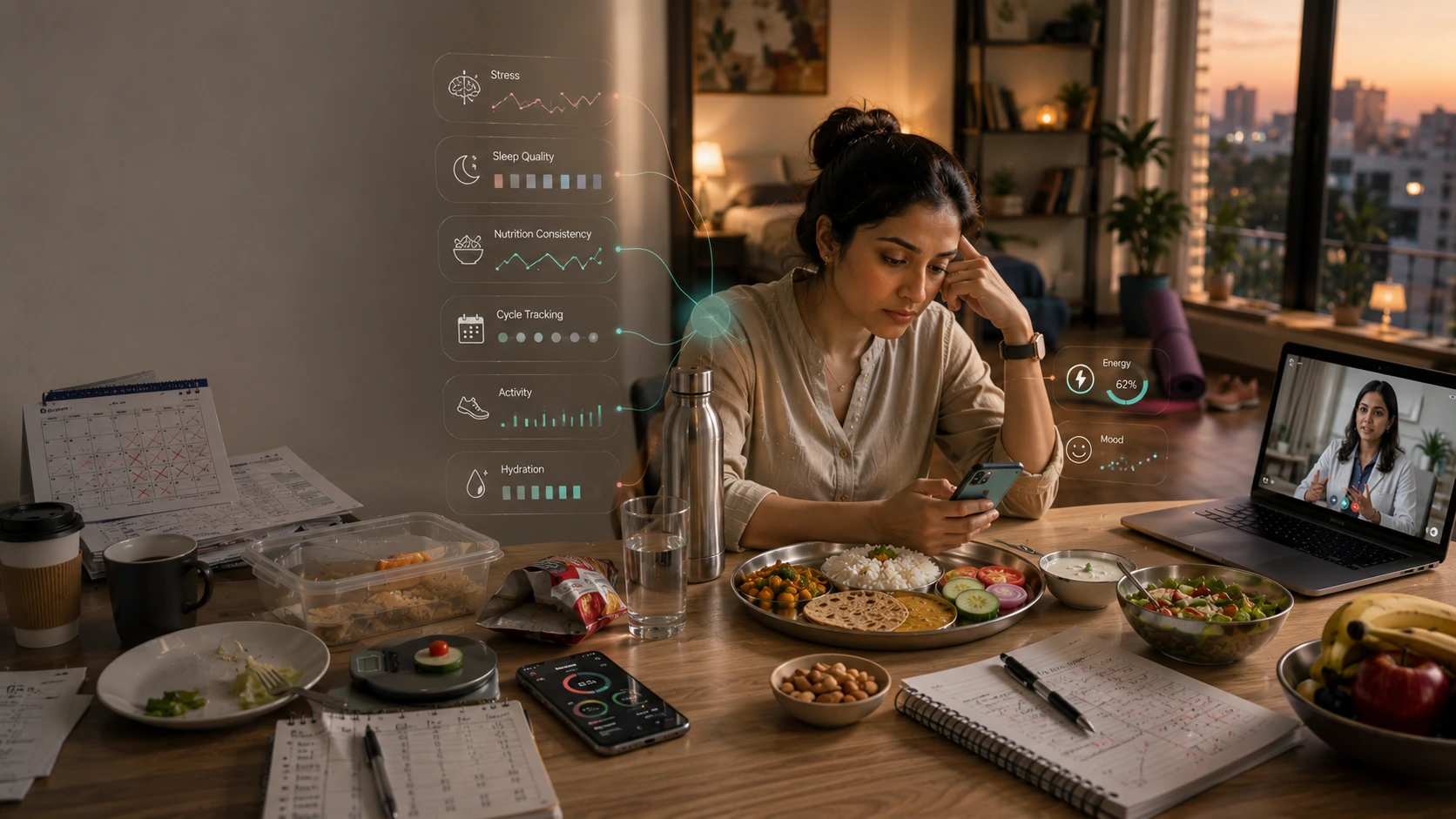
Irregular periods, acne, fatigue, unexpected weight changes, low energy, and mood changes are often described as signs of hormonal imbalance. But similar symptoms can have different causes, which is why understanding PCOS lifestyle factors should begin with awareness rather than self-diagnosis.
For many Indian women, demanding work schedules, family responsibilities, irregular meals, limited physical activity, inadequate sleep, and chronic stress can make women’s wellness difficult to manage consistently.
The important distinction is that lifestyle patterns can influence overall wellbeing, but symptoms alone cannot confirm PCOS or another hormonal condition. A qualified healthcare professional should evaluate persistent or concerning symptoms.
Why Hormonal Symptoms Can Have Different Causes
Hormones are chemical messengers involved in processes such as metabolism, reproduction, growth, mood, and sleep.
Changes in women’s hormones can influence how the body feels and functions, but identifying the reason behind a symptom is not always straightforward.
Consider fatigue.
It may be associated with inadequate sleep, nutritional deficiencies, prolonged stress, demanding work schedules, low physical activity, or an underlying health condition.
Irregular menstrual cycles may also have different possible causes. Stress, significant weight changes, excessive exercise, PCOS, thyroid disorders, and other health conditions may affect menstrual patterns.
This overlap creates an important problem for women’s health.
Many women begin following restrictive diets, supplements, or social media wellness trends before receiving an appropriate medical evaluation.
A better approach begins with three steps:
- Notice changes in your body and everyday routines.
- Observe whether symptoms persist, worsen, or interfere with daily life.
- Seek qualified medical guidance when evaluation is needed.
Tracking everyday patterns such as meals, activity, sleep, menstrual cycles, and stress can improve health awareness, but tracking should support medical conversations rather than replace professional diagnosis.
Understanding PCOS Without the Myths
Polycystic ovary syndrome, commonly known as PCOS, is a hormonal and metabolic condition that can affect women during their reproductive years.
According to the World Health Organization, PCOS affects an estimated 10 to 13 percent of reproductive-aged women worldwide, and up to 70 percent of affected women may remain undiagnosed. Symptoms can vary and may include irregular menstrual cycles, excessive hair growth, acne, and infertility.
Unfortunately, PCOS awareness is often shaped by oversimplified information.
Myth: Every woman with PCOS is overweight.
Reality: PCOS can affect women across different body sizes. Weight alone cannot determine whether someone has PCOS.
Myth: Irregular periods automatically mean PCOS.
Reality: Menstrual irregularities can have different causes. Proper evaluation is important.
Myth: PCOS can be managed by eliminating carbohydrates completely.
Reality: Sustainable nutrition strategies should consider overall diet quality, individual needs, health conditions, and professional guidance.
Myth: There is one perfect diet for everyone with PCOS.
Reality: Effective nutrition for PCOS should be personalized. Food preferences, metabolic health, activity levels, medical history, cultural eating patterns, and individual goals all matter.
For Indian women, unrealistic dietary advice can make sustainable habits especially difficult.
Completely avoiding rice, roti, dosa, idli, poha, or other familiar foods may create unnecessary restriction. A more practical approach is to improve meal composition, portion awareness, food quality, and consistency according to individual health needs.
A sustainable healthy lifestyle for PCOS should support long-term routines rather than create another cycle of restriction, guilt, and restarting.
How Stress, Sleep and Lifestyle Influence Hormones
The relationship between stress and hormones is complex.
Short-term stress is a normal part of life. However, prolonged stress can influence sleep, eating patterns, physical activity, and other behaviours that affect overall health.
Consider a working professional in Bengaluru, Pune, Mumbai, or Delhi.
She wakes up early, spends significant time commuting, skips breakfast, sits for most of the working day, eats lunch irregularly, returns home late, and sleeps while still mentally occupied with work.
None of these behaviours alone explains a hormonal condition.
But together, they can make maintaining a healthy lifestyle difficult.
Stress
Chronic stress may influence sleep quality, appetite, food choices, and motivation to exercise.
Stress management does not mean eliminating every stressful situation. It means developing realistic strategies such as short movement breaks, social support, relaxation practices, better work boundaries, and seeking professional support when necessary.
Sleep
Sleep supports multiple aspects of physical and mental health.
Irregular sleep schedules, late-night screen use, shift work, and insufficient sleep can make maintaining healthy routines more difficult.
Improving sleep consistency is therefore an important part of hormonal wellness.
Physical Activity
Regular physical activity can support metabolic health, cardiovascular health, sleep, and overall wellbeing.
Women do not necessarily need extreme workout routines.
Walking, strength training, yoga, cycling, swimming, and other enjoyable activities can become part of sustainable healthy routines.
Everyday Eating Patterns
Nutrition should not become another source of anxiety.
Repeatedly skipping meals, relying heavily on highly processed convenience foods, inadequate protein intake, limited vegetables, and inconsistent eating patterns may reduce overall diet quality.
Better nutrition awareness helps women understand patterns before attempting unnecessary dietary restrictions.
Healthy Lifestyle Habits That Support Hormonal Wellbeing
Healthy habits cannot guarantee that hormonal conditions will be prevented or treated.
However, supportive lifestyle practices can contribute to overall hormonal health, metabolic health, and everyday wellbeing.
Build Balanced Indian Meals
A practical meal does not need to contain expensive imported ingredients.
Dal, beans, curd, paneer, eggs, fish, chicken, vegetables, fruits, whole grains, millets, nuts, and seeds can contribute to balanced eating depending on individual dietary preferences and health needs.
Instead of asking whether one specific food is “good” or “bad,” focus on overall eating patterns.
For example, a meal of rice alone provides a different nutritional profile from rice combined with dal, vegetables, curd, and an appropriate protein source.
This approach supports healthy eating for women without making normal Indian meals unnecessarily restrictive.
Stay Physically Active Consistently
Exercise routines should fit real schedules.
A woman who cannot complete a one-hour workout every day can still build activity through walking, short strength sessions, active commuting, household movement, or structured exercise several times per week.
Consistency matters more than creating an unrealistic routine that lasts two weeks.
Prioritize Sleep
Create a regular sleep and wake schedule when possible.
Reduce unnecessary screen exposure before bed, manage late caffeine consumption, and create a calmer bedtime routine.
Women working night shifts or rotating schedules may require more personalized guidance for managing sleep.
Build Stress Management Into Daily Life
Do not wait for a holiday or wellness retreat to manage stress.
Short walks, breathing exercises, time outdoors, hobbies, social connection, and realistic work boundaries can support everyday stress management.
Persistent stress, anxiety, or emotional distress may require professional support.
Improve Awareness Without Obsessive Tracking
Simple meal tracking and habit tracking can help identify patterns.
For example:
Do irregular meals coincide with lower afternoon energy?
Does poor sleep influence food choices the next day?
Are weekends significantly less active than weekdays?
Do stressful periods affect eating patterns?
Nutrimate can support this type of everyday awareness through Indian-first food intelligence and simple routine tracking. India’s #1 whatsapp meal logging feature and Unique Caregiver feature can help individuals and families observe everyday habits with less tracking friction.
The purpose is not diagnosis. It is to create useful visibility that may support healthier decisions and more informed conversations with healthcare professionals.
When Medical Evaluation Is Important
Lifestyle improvement should never become a reason to delay appropriate medical care.
Speak with a qualified healthcare professional if symptoms are persistent, concerning, worsening, or affecting your daily life.
Examples may include:
- Persistently irregular or absent menstrual periods.
- Unexplained changes in weight.
- Excessive facial or body hair growth.
- Significant acne or skin changes.
- Difficulty becoming pregnant.
- Persistent fatigue or low energy.
- Significant mood changes.
- Symptoms that interfere with work, relationships, sleep, or daily activities.
Healthcare professionals may consider symptoms, medical history, physical examination, and appropriate investigations when evaluating PCOS or other possible causes.
The 2023 International Evidence-based Guideline for the Assessment and Management of Polycystic Ovary Syndrome emphasizes the importance of evidence-based diagnosis, individualized care, lifestyle management, and attention to reproductive, metabolic, cardiovascular, sleep, and psychological features associated with PCOS.
Using a women health app or maintaining personal records of meals, menstrual cycles, sleep, activity, and symptoms may help organize information before appointments.
However, digital tools should support women’s health tracking, not replace qualified medical advice.
A Daily Hormonal Wellness Checklist
Use this checklist to improve awareness and support sustainable healthy habits for women:
☐ I ate balanced meals instead of repeatedly skipping meals.
☐ I included vegetables, protein-rich foods, and other nutrient-dense foods appropriate for my needs.
☐ I stayed adequately hydrated.
☐ I included physical movement in my day.
☐ I avoided treating exercise as punishment for eating.
☐ I paid attention to my sleep duration and quality.
☐ I created some time to manage stress or mentally disconnect from work.
☐ I noticed significant changes in my menstrual cycle, mood, skin, energy, or overall wellbeing.
☐ I avoided self-diagnosing health conditions based only on social media content.
☐ I focused on consistent lifestyle habits rather than extreme short-term routines.
☐ I sought qualified medical guidance for persistent or concerning symptoms.
☐ I used tracking as a tool for awareness, not as a substitute for professional healthcare.
FAQs
PCOS is a hormonal and metabolic condition that can affect women during their reproductive years. It may involve irregular menstrual cycles, signs of elevated androgen levels, and other reproductive or metabolic features. Symptoms and severity can vary, so diagnosis should come from a qualified healthcare professional.
Yes. Prolonged stress can influence physiological processes and behaviours related to sleep, appetite, physical activity, and overall wellbeing. However, stress alone should not be assumed to explain persistent hormonal symptoms without appropriate medical evaluation.
Yes. Nutrition, physical activity, sleep, stress management, and other everyday behaviours can influence overall hormonal health and metabolic wellbeing. Lifestyle support can be valuable, but it does not replace diagnosis or medical treatment when these are needed.
Yes. Sustainable nutrition, regular physical activity, adequate sleep, stress management, and other supportive lifestyle practices can contribute to overall health and wellbeing for women with PCOS. The most appropriate approach should consider individual symptoms, medical history, preferences, and guidance from qualified healthcare professionals.