 Pradnya Ganorkar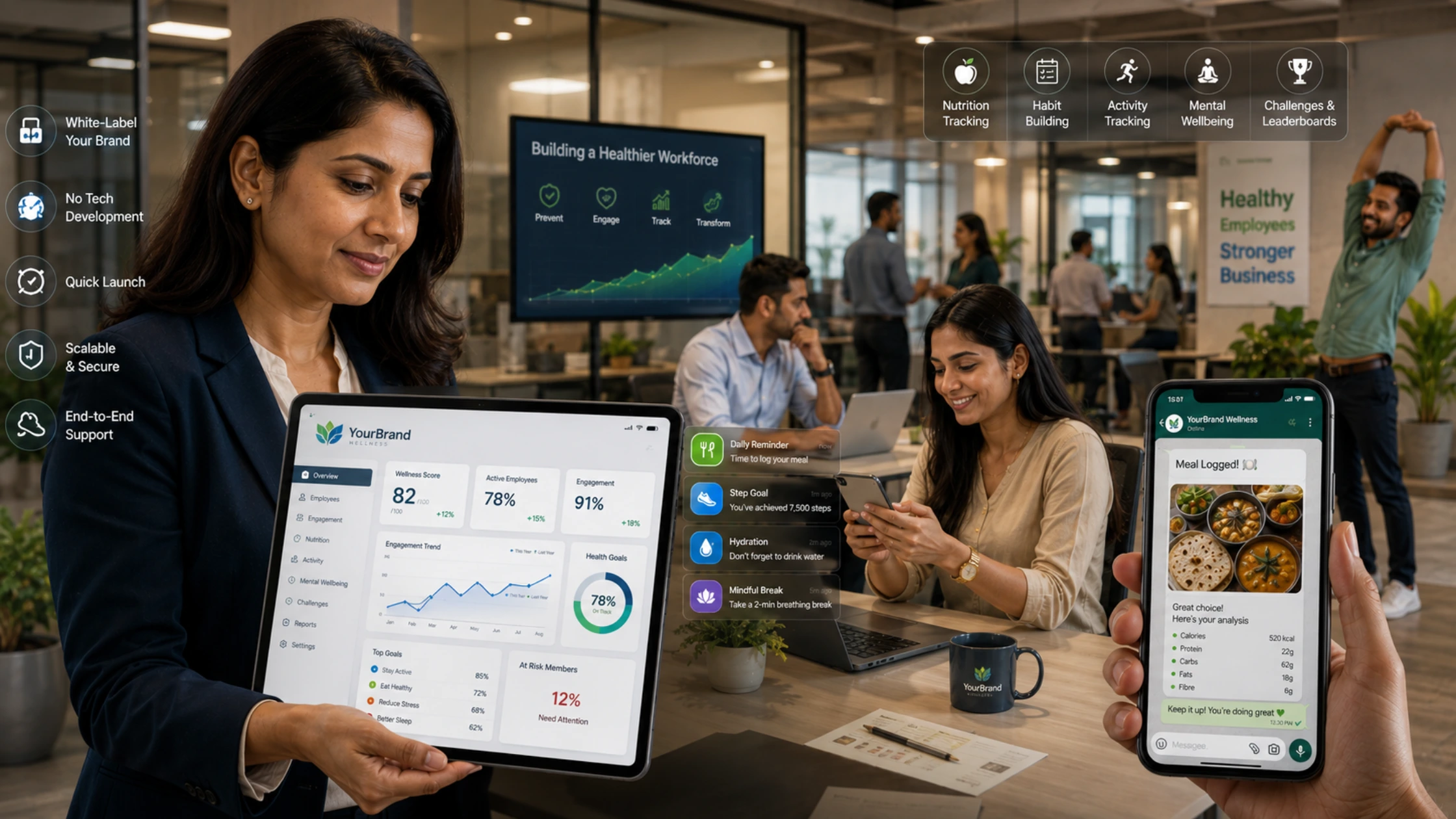
Employee wellness in India is changing rapidly.
Traditional wellness models built around:
- annual health camps
- occasional yoga sessions
- motivational talks
- step-counting contests
are no longer enough.
Today’s workforce faces:
- long sitting hours
- poor eating routines
- stress-related burnout
- rising diabetes risk
- low movement
- inconsistent sleep
- digital fatigue
This is why organizations are increasingly exploring a white label wellness platform India strategy instead of relying only on temporary wellness activities.
Modern HR leaders want:
- measurable engagement
- scalable systems
- preventive health visibility
- employee participation
- long-term behavior improvement
without spending years building technology internally.
The challenge is infrastructure.
Most HR teams are not technology companies.
Building a custom:
- wellness app
- tracking ecosystem
- employee engagement dashboard
- nutrition system
- health analytics infrastructure
from scratch is expensive, slow, and operationally difficult.
This is why businesses are now adopting:
- branded wellness ecosystems
- pre-built health platforms
- modular employee engagement systems
- scalable preventive health tools
that can launch quickly under the company’s own identity.
This shift is accelerating demand for:
- corporate wellness platform India solutions
- employee wellness app India systems
- scalable digital health infrastructure India
- modern employee health tracking solutions
At the same time, organizations want platforms that fit Indian behavior realistically.
Employees do not want:
- complicated calorie logging
- excessive app switching
- difficult onboarding
- overly clinical experiences
They want simplicity.
This is why low-friction systems such as WhatsApp-first tracking, simplified wellness engagement, and habit visibility are becoming more effective in India.
Nutrimate approaches this through Indian-first wellness infrastructure focused on practical consistency. Its India’s #1 whatsapp meal logging feature and Unique Caregiver feature help organizations create wellness visibility with lower user friction.
Why HR Teams Need Owned Wellness Systems
Most companies do not lack wellness intent.
They lack continuity.
Many organizations run wellness programs that create short-term awareness but fail to build daily engagement.
The Problem with “Event-Based Wellness”
Many HR initiatives look like:
- one-time webinars
- annual checkups
- monthly sessions
- awareness posters
These create temporary attention but rarely influence long-term behavior.
Employees return to:
- late-night eating
- stress-driven snacking
- sedentary workdays
- inconsistent health routines
within days.
Wellness Without Infrastructure Cannot Scale
Sustainable workplace wellness requires:
- daily visibility
- ongoing engagement
- measurable participation
- habit consistency
This requires systems, not isolated events.
Modern HR teams increasingly need:
- employee health dashboard India visibility
- scalable workplace wellness engagement tools
- consistent tracking infrastructure
instead of fragmented initiatives.
Why Ownership Matters
When companies own the wellness ecosystem:
- branding becomes consistent
- employee trust improves
- participation becomes centralized
- long-term data visibility increases
An owned system also enables organizations to align wellness with:
- company culture
- workforce behavior
- preventive health goals
- retention strategies
Indian Workplaces Need Simpler Engagement
Indian employees already manage:
- multiple apps
- overloaded communication channels
- hybrid work routines
- digital fatigue
Complex wellness platforms create drop-offs quickly.
This is why:
- low-effort engagement
- WhatsApp-based systems
- simplified habit tracking
often outperform highly complicated enterprise tools.
Quick Summary
Modern employee wellness succeeds when organizations move from awareness campaigns to daily wellness infrastructure.
The Problem with Generic Wellness Vendors
Many companies initially outsource wellness programs to external vendors.
The problem is not outsourcing itself.
The problem is generic execution.
Most Platforms Are Built for Global Assumptions
Many wellness systems are designed around:
- Western food databases
- generic health scoring
- non-Indian eating patterns
- unrealistic wellness expectations
This creates low relevance for Indian employees.
Employees Need Indian Context
Indian teams deal with:
- chai breaks
- late dinners
- office ordering culture
- festival eating
- regional food habits
- family caregiving stress
Without Indian context, engagement declines rapidly.
Low Participation Often Comes from Low Relevance
Employees stop using wellness platforms when they feel:
- disconnected from real routines
- difficult to maintain
- too time-consuming
- overly medical
This is one reason many corporate wellness tools India struggle with long-term engagement.
Fragmented Vendors Create Operational Complexity
Many companies use separate systems for:
- fitness challenges
- nutrition tracking
- counseling
- rewards
- reporting
This creates fragmented employee experience.
Modern wellness infrastructure increasingly prioritizes unified systems.
Why Branded Ecosystems Perform Better
Employees trust wellness systems more when:
- branding feels internal
- communication feels familiar
- onboarding feels simple
- usage fits daily routines
This is one reason branded wellness ecosystems are growing rapidly in India.
Practical Insight
Employees rarely sustain wellness behavior inside disconnected systems. Simplicity and relevance matter more than excessive features.
White Label vs Internal Development
One of the biggest misconceptions in HR wellness transformation is assuming companies must build custom technology from scratch.
In reality, this is rarely necessary.
Internal Development Is Expensive
Building a custom wellness platform requires:
- developers
- UI/UX teams
- backend infrastructure
- maintenance
- security management
- updates
- analytics systems
This often takes:
- 8 to 18 months
- high budgets
- continuous operational oversight
Most HR teams are not structured for this.
White-Label Infrastructure Reduces Complexity
A white label wellness platform India model allows companies to:
- launch faster
- customize branding
- avoid long development cycles
- reduce operational overhead
while still creating an owned employee experience.
Faster Deployment Improves Adoption
Organizations lose momentum when projects take too long.
Pre-built infrastructure allows:
- rapid onboarding
- early pilot testing
- faster employee participation
- iterative improvements
This is increasingly important in fast-moving Indian workplaces.
Modern Wellness Platforms Are Becoming Modular
Today’s wellness systems increasingly combine:
- nutrition tracking
- preventive health monitoring
- employee engagement
- habit visibility
- dashboards
- WhatsApp-based interactions
inside one ecosystem.
Lessons from the Fitness Industry
This trend is already visible in fitness businesses.
Platforms like FitVia, developed by Nutrimate Wellness, help gyms, trainers, and dietitians launch branded digital wellness systems without building technology internally.
Instead of spending heavily on app development, these businesses can deploy:
- white-label member apps
- trainer dashboards
- Indian nutrition tracking
- engagement systems
- workout libraries
through pre-built infrastructure.
This same infrastructure-first approach is now influencing broader corporate wellness adoption.
White Label vs Custom Build
| Factor | White Label Platform | Internal Development |
| Launch Speed | Fast | Slow |
| Cost | Lower | High |
| Maintenance | Managed externally | Internal responsibility |
| Scalability | Easier | Resource intensive |
| Wellness Expertise | Built-in | Requires external consulting |
| Employee Rollout | Faster | Complex |
Features That Matter Most
Many companies make one major mistake.
They prioritize flashy features over sustainable engagement.
The Best Wellness Features Reduce Friction
Employees stay engaged when systems are:
- simple
- fast
- relevant
- low-effort
not overly technical.
Key Features Modern HR Teams Need
1. Meal Visibility
Nutrition directly affects:
- productivity
- energy
- concentration
- preventive health risk
This increases demand for:
- nutrition tracking
- preventive health monitoring tools
- practical Indian meal systems
2. Habit Tracking
Tracking:
- water intake
- movement
- sleep
- meals
- stress habits
creates long-term awareness.
Consistency matters more than perfection.
3. Employee Dashboards
Modern employee health dashboard India systems help HR teams monitor:
- participation rates
- engagement trends
- wellness consistency
without invading personal privacy.
4. WhatsApp-Based Interaction
Employees already use WhatsApp daily.
Low-friction engagement through familiar channels improves adoption significantly.
5. Indian Food Intelligence
Most global systems poorly understand Indian eating patterns.
Platforms with Indian-first nutrition systems improve relevance dramatically.
FitVia’s ecosystem, for example, includes a database of 1 lakh+ Indian foods validated against Indian nutrition standards. This improves practical usability for Indian users compared to generic food databases.
6. Retention and Engagement Analytics
Wellness platforms increasingly function as:
- engagement systems
- retention systems
- preventive health ecosystems
not just health trackers.
Practical Summary
The best wellness infrastructure reduces effort while improving consistency and visibility.
Step-by-Step Launch Framework
Launching a wellness system does not require massive transformation immediately.
The most successful organizations start small and scale gradually.
Step 1: Define the Real Wellness Problem
Avoid vague goals like:
- “improve employee wellness”
Instead identify specific challenges:
- low participation
- high stress
- unhealthy eating
- inactivity
- burnout
- rising diabetes risk
Step 2: Choose Scalable Infrastructure
Prioritize:
- low-friction onboarding
- mobile-first systems
- Indian usability
- measurable dashboards
This is where digital wellness platform India solutions become valuable.
Step 3: Start with Core Behaviors
Focus initially on:
- meals
- movement
- consistency
- awareness
instead of trying to track everything immediately.
Step 4: Launch Small Pilots
Begin with:
- one department
- one office
- leadership participation
- measurable engagement metrics
before company-wide rollout.
Step 5: Build Habit Loops
Employees engage longer when systems include:
- reminders
- streaks
- challenges
- recognition
- simplified tracking
Step 6: Measure Real Outcomes
Focus on:
- engagement consistency
- participation rates
- retention
- wellness behavior visibility
not vanity metrics.
Step 7: Expand Strategically
Over time organizations can integrate:
- nutrition programs
- preventive health initiatives
- diabetes management support
- caregiver wellness support
through scalable infrastructure.
Realistic Indian Workplace Example
A mid-size Indian company with 500 employees may start with:
- WhatsApp-based meal logging
- movement tracking
- monthly wellness reporting
- nutrition awareness programs
before expanding into:
- personalized coaching
- preventive health workflows
- advanced engagement analytics
This phased approach improves adoption significantly.
Common Implementation Mistakes
Many wellness initiatives fail because companies focus on technology instead of behavior.
Mistake 1: Launching Too Many Features
Employees get overwhelmed quickly.
Simple systems outperform complicated ecosystems.
Mistake 2: Ignoring Indian Food Behavior
Indian eating habits require:
- regional understanding
- realistic flexibility
- Indian meal intelligence
Generic systems often fail here.
Mistake 3: Treating Wellness as HR Marketing
Employees disengage when wellness feels performative rather than useful.
Trust matters.
Mistake 4: Measuring Only Participation
High logins do not equal meaningful behavior change.
Track:
- consistency
- retention
- repeat engagement
instead.
Mistake 5: Ignoring User Friction
Employees abandon systems requiring:
- manual calorie entry
- excessive forms
- complicated interfaces
This is why simplified systems increasingly perform better in India.
Mistake 6: Building Everything Internally
Internal development often delays rollout unnecessarily.
Pre-built systems can reduce cost, deployment time, and operational burden significantly.
Content Direction
“HR wants wellness, but lacks scalable infrastructure.”
This is one of the biggest workplace wellness challenges in India today.
Most organizations genuinely want healthier employees.
But traditional wellness approaches often fail because:
- engagement disappears quickly
- systems are fragmented
- platforms feel generic
- behavior change remains invisible
The future of workplace wellness is shifting toward:
- owned wellness ecosystems
- preventive health infrastructure
- low-friction engagement systems
- measurable employee wellness visibility
This is where white label wellness platform India solutions are becoming increasingly relevant.
Instead of spending years building technology internally, organizations can now deploy branded wellness ecosystems through pre-built infrastructure.
The same infrastructure-first approach has already transformed gyms, trainers, and wellness businesses through platforms like FitVia, where businesses launch branded wellness systems rapidly using ready-made digital infrastructure.
In workplace wellness, the goal is no longer awareness alone.
The goal is sustainable daily engagement.
Pre-built branded wellness systems now allow organizations to deploy faster while reducing operational complexity and improving employee participation.
FAQs
Yes. Many organizations now use pre-built branded wellness infrastructure instead of developing custom technology internally. A white label wellness platform India model allows companies to launch employee wellness systems faster with lower operational complexity.
White-label wellness refers to pre-built wellness technology that companies can rebrand as their own. These systems typically include features like employee engagement, nutrition tracking, preventive health monitoring, dashboards, and wellness participation tools without requiring internal software development.